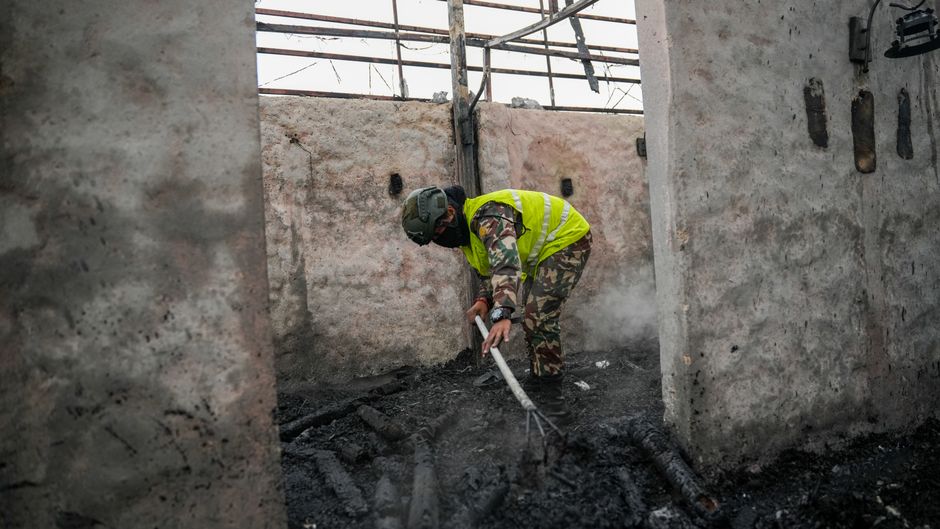
Sewage backup into a crawl space is a serious health and structural emergency, not a maintenance inconvenience. In the Greater Charlotte Metro Area, including communities like Matthews, Mint Hill, Indian Trail, and Fort Mill, SC, older sewer lines, clay soils, and high humidity create conditions that make this problem more common than most homeowners expect. This post covers why it happens, what it costs, the dangers of DIY cleanup, and when to call a professional.
Understand Why Sewage Ends Up in Charlotte Crawl Spaces
Crawl space sewage contamination almost always traces back to one of a few specific failure points. Knowing which one applies to your home helps you act faster and avoid repeat problems.
- Aging cast iron or clay drain lines: Many Charlotte-area homes built before 1980 still have original cast iron or clay sewer pipes beneath the crawl space. These corrode, crack, and shift over time.
- Tree root intrusion: Charlotte’s mature tree canopy is beautiful, but roots from oaks, maples, and Bradford pears aggressively seek moisture. They infiltrate pipe joints and cause slow leaks or full blockages.
- Main sewer line blockages: A clogged main line forces sewage to back up through the lowest drain or pipe joint in the system, which is often inside the crawl space.
- Pipe belly or sag: Soil settlement in the red clay soils common across Mecklenburg County causes drain lines to sag, creating low spots where solids collect and block flow.
- Failed cleanout caps or pipe joints: Plastic cleanout caps deteriorate. When they fail, any backup in the line releases directly into the crawl space rather than up through a fixture inside the home.
In communities like Stallings, Waxhaw, and Belmont, homes on private septic systems face an additional risk. A saturated drain field or a full tank can push raw sewage back through the line and into the crawl space from the septic side.
Recognize the Real Health Hazards of Raw Sewage
Raw sewage is classified as a Category 3 water loss by the IICRC, the highest contamination level in the restoration industry. This matters because it determines how the site must be treated, what personal protective equipment is required, and what materials can be restored versus discarded.
Category 3 water contains human pathogens including E. coli, Hepatitis A, Salmonella, and Campylobacter. Exposure through skin contact, inhalation of aerosolized particles, or indirect contact with contaminated surfaces can cause serious illness.
Beyond bacteria, raw sewage produces hydrogen sulfide gas. Even at low concentrations, hydrogen sulfide causes headaches, nausea, and disorientation. In enclosed spaces like crawl spaces, concentrations can build to dangerous levels very quickly.
Moisture from sewage also accelerates mold growth in the crawl space. Charlotte’s warm, humid summers give mold spores exactly the conditions they need. Within 24 to 48 hours of a sewage event, mold colonization can begin on wood framing, insulation, and subfloor materials.
See Why DIY Cleanup Creates More Problems Than It Solves
DIY crawl space sewage cleanup is genuinely dangerous, not just difficult. Here is why attempting it without professional equipment and training puts you at serious risk.
- No proper respiratory protection: A standard dust mask or N95 respirator does not protect against hydrogen sulfide gas or aerosolized biological pathogens. Full-face respirators with combination cartridges are required.
- No containment: Without setting up containment barriers and negative air pressure, contaminated particles spread through your home’s HVAC system and living spaces during cleanup.
- Incomplete extraction: Shop vacs and consumer wet-vacs cannot fully extract sewage that has soaked into soil, wood, and insulation. Residual contamination stays behind and continues to breed bacteria and mold.
- Improper disinfection: Household bleach does not meet IICRC standards for Category 3 remediation. Professional-grade antimicrobials applied at the correct dilution and dwell time are required.
- Hidden damage: Sewage soaks into subfloor sheathing, floor joists, and vapor barriers. Without moisture meters and thermal imaging, you will miss saturated materials that rot and grow mold after cleanup appears complete.
- Disposal regulations: In North Carolina, sewage-contaminated materials are regulated waste. Improper disposal can result in fines from local environmental authorities in Mecklenburg and surrounding counties.
First Restoration America, Inc. has responded to dozens of crawl space sewage calls across Charlotte, Concord, Huntersville, and Cornelius where a homeowner attempted cleanup first. In nearly every case, the DIY attempt extended the project timeline and increased the total cost.
Compare Professional Remediation vs. DIY Costs and Outcomes
Many homeowners attempt DIY cleanup specifically to save money. The table below shows how the actual costs compare when you factor in the realistic outcomes of each approach.
| Factor | DIY Attempt | Professional Remediation |
|---|---|---|
| Initial cost | $200 to $600 (equipment, supplies) | $1,500 to $5,000+ depending on scope |
| Hidden moisture removal | Rarely complete | Verified with moisture meters and drying logs |
| Mold risk after cleanup | High (incomplete extraction) | Low (antimicrobial treatment, drying confirmation) |
| Structural damage risk | High (missed saturation in joists) | Low (thermal imaging inspection) |
| Insurance documentation | None | Full photo documentation and moisture logs |
| Health risk during cleanup | Serious (no proper PPE or gas monitoring) | Managed (full PPE, gas detection equipment) |
| Total likely cost if mold develops later | $3,000 to $10,000+ added remediation | Avoided |
The numbers make a clear case. The apparent savings from DIY are almost always erased by secondary mold remediation, structural repairs, or repeat plumbing failures that go undetected without professional inspection.
Know What Professional Crawl Space Sewage Remediation Involves
Understanding the professional process helps you evaluate any contractor you call and know what should be included in a proper scope of work.
| Phase | What Happens | Why It Matters |
|---|---|---|
| Assessment and gas testing | Hydrogen sulfide and air quality testing before entry | Protects workers and reveals risk level before work begins |
| Source confirmation | Plumber identifies and repairs the failed pipe or joint | Remediation cannot begin until the source is stopped |
| Extraction and debris removal | Pumping and manual removal of sewage and contaminated soil | Reduces biological load before disinfection |
| Demo of unsalvageable materials | Saturated insulation, vapor barriers, and affected wood removed | Contaminated porous materials cannot be fully disinfected |
| Antimicrobial treatment | IICRC Category 3 approved disinfectants applied to all surfaces | Kills pathogens remaining after extraction |
| Structural drying | Commercial dehumidifiers and air movers deployed | Brings wood moisture content below 16% to prevent mold |
| Post-remediation verification | Moisture readings and visual inspection confirm clearance | Documents that the crawl space is safe for reinstallation |
First Restoration America, Inc. follows IICRC S500 and S520 standards on every crawl space sewage job. These protocols are not optional guidelines. They are the professional baseline for safe and effective remediation.
Learn How Charlotte’s Climate and Housing Stock Increase Your Risk
Greater Charlotte Metro Area has specific conditions that make crawl space sewage events more likely than in many other parts of the country. Understanding these local factors helps you take preventive action before a failure occurs.
Mecklenburg County and surrounding areas in both the Piedmont NC region and upstate South Carolina sit on expansive clay soils. These soils shift significantly during wet and dry cycles, placing repeated stress on drain line joints beneath crawl spaces.
Charlotte’s housing boom brought many homes built between 1955 and 1985. Those homes often have original drain lines that are now 40 to 70 years old. Neighborhoods like Mint Hill, Belmont, older sections of Matthews, and established Charlotte neighborhoods close to Uptown carry a disproportionate share of aging sewer infrastructure.
The region’s humidity is also a factor. Average relative humidity in Charlotte from May through September regularly exceeds 70 percent. A crawl space that picks up any moisture from a slow sewer leak will develop mold far faster here than in a drier climate.
Homeowners in Tega Cay and Fort Mill, SC should also confirm whether their crawl space plumbing falls under York County or City of Rock Hill jurisdiction, as inspection and repair permitting can differ from Mecklenburg County requirements.
FAQs on Sewage in the Crawl Space
How do I know if sewage is leaking in my crawl space?
The most common signs are a persistent sewage or rotten egg smell inside your home, soft or discolored flooring above the crawl space, unexplained increases in household odors near floor level, and visible moisture or standing liquid when you visually inspect the crawl space. Never enter a crawl space if you suspect a sewage leak without proper respiratory protection and gas detection.
Is sewage in a crawl space covered by homeowners insurance?
Coverage depends on the cause and your specific policy. Sudden and accidental pipe failures are often covered under standard homeowners policies in North Carolina and South Carolina. Gradual leaks, root intrusion, and maintenance-related failures are frequently excluded. Document everything immediately and call your insurance carrier before beginning any cleanup work.
How long does professional crawl space sewage cleanup take?
Most crawl space sewage remediation projects in the Charlotte area take three to seven days from initial extraction through final drying verification. The timeline depends on the volume of contamination, how much structural material requires removal, and how long the moisture has been present. Larger crawl spaces or long-standing leaks take longer.
Can I use bleach to clean sewage in a crawl space?
No. Household bleach is not an approved disinfectant for IICRC Category 3 contamination. It does not penetrate porous surfaces adequately, it degrades quickly in the presence of organic material, and it does not address the structural drying required after a sewage event. Using bleach alone leaves active contamination behind and creates a false sense that the problem is resolved.
Do I need a permit to repair a broken sewer line in a Charlotte crawl space?
Yes. In Mecklenburg County, plumbing repairs to drain lines typically require a plumbing permit pulled by a licensed plumber. This applies to pipe replacement, re-routing, and new cleanout installation. Requirements in surrounding counties and in York County, SC may differ slightly, so confirm with the local building department before work begins.
What happens if sewage in a crawl space is not treated quickly?
Untreated sewage contamination causes progressive structural damage to floor joists and subfloor sheathing, accelerates mold colonization within 24 to 48 hours in Charlotte’s climate, and poses ongoing inhalation and contact health risks to everyone in the home. Costs increase significantly the longer remediation is delayed, and some wood structural members may require full replacement if saturation is prolonged.
Wrap Up and Next Steps
Sewage in a crawl space is not a problem you can safely handle with a shop vac and a bottle of bleach. The health risks are real, the hidden structural damage is predictable, and the cost of incomplete cleanup almost always exceeds the cost of doing it right the first time.
First Restoration America, Inc. serves Charlotte, Matthews, Huntersville, Concord, Indian Trail, Fort Mill, and the full Greater Charlotte Metro Area with professional crawl space sewage remediation that meets IICRC Category 3 standards. Call us at 18883205944 to schedule an assessment and get the problem addressed safely and completely.