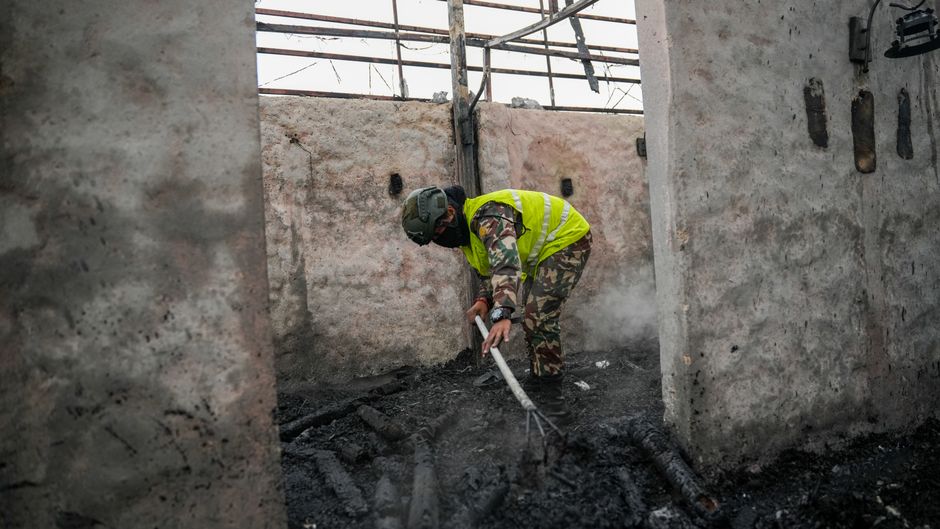
Restaurants in Charlotte that suffer fire damage must pass a Mecklenburg County Environmental Health inspection before reopening, and that process typically takes 2 to 8 weeks depending on the severity of damage and how quickly repairs are completed. This post covers the exact inspection requirements, cleanup standards, permit steps, and costs you should expect. Whether your location is in Uptown Charlotte, Matthews, Concord, or Fort Mill, SC, the core requirements follow the same framework.
Understand What Triggers a Mandatory Closure and Reinspection
Any fire that affects a food service establishment in Mecklenburg County triggers an automatic temporary closure. The North Carolina Food Code (15A NCAC 18A .2600) requires the operator to notify Mecklenburg County Environmental Health before resuming operations.
Even a small kitchen fire that only chars one wall can still contaminate food-contact surfaces, compromise the HVAC system, and deposit toxic soot throughout the facility. Health inspectors do not simply look at visible fire damage. They assess the entire sanitary condition of the space.
You cannot reopen just because the fire is out and the building looks clean. A formal reinspection and written approval from Mecklenburg County Environmental Health is required. Operating without that approval puts your permit at risk of permanent revocation.
Know the Mecklenburg Health Department Reinspection Requirements
Mecklenburg County Environmental Health uses the NC Food Code as its baseline, but inspectors also apply local enforcement priorities. Here is what they check before approving your restaurant to reopen after a fire.
- All smoke and soot removed from food-contact surfaces, including prep tables, cutting boards, shelving inside coolers, and cooking equipment interiors.
- HVAC system cleaned and certified. Smoke infiltrates ductwork quickly. Inspectors often require documentation from a licensed HVAC contractor confirming the system is clean and functional.
- Plumbing fully operational. Hot water must reach required temperatures (100°F at handwashing sinks, 110°F minimum at three-compartment sinks).
- All food discarded and replaced. Any food present during or after the fire is considered adulterated and must be destroyed. Inspectors will confirm this.
- Pest entry points sealed. Fire damage often creates gaps in walls and ceilings that inspectors flag as pest harborage risks.
- Lighting restored to code levels. NC Food Code requires specific foot-candle levels in prep areas, dishwashing areas, and storage.
- Handwashing stations stocked and accessible. Soap, paper towels, and signage must be in place at every required sink location.
Call Mecklenburg County Environmental Health at (704) 336-5100 to schedule your reinspection once cleanup and repairs are complete. Do not wait for them to reach out to you.
Compare the Full Reinspection and Permit Process Step by Step
The path from fire event to reopening involves multiple departments, not just the health department. Here is the typical sequence for a Charlotte-area restaurant.
| Step | Agency or Party | Typical Timeline |
|---|---|---|
| 1. Fire incident report filed | Charlotte Fire Department | Same day or next day |
| 2. Building damage assessment | Mecklenburg County Code Enforcement | 1 to 3 business days |
| 3. Building permits pulled for repairs | Charlotte-Mecklenburg inspections | 3 to 10 business days |
| 4. Structural and mechanical repairs completed | Licensed contractors | 1 to 6 weeks depending on scope |
| 5. HVAC inspection and certification | Licensed HVAC contractor | 1 to 3 days after repairs |
| 6. Professional fire and smoke cleanup | Restoration company | 3 to 10 days depending on damage |
| 7. Health department reinspection request | Mecklenburg Environmental Health | Scheduled within 5 to 7 business days |
| 8. Written approval to reopen | Mecklenburg Environmental Health | Same day as passing inspection |
Missing any step in this sequence can delay reopening by days or even weeks. First Restoration America, Inc. coordinates directly with building inspectors and can document cleanup work in a format that satisfies both the health department and your insurance adjuster.
Understand What Professional Fire Cleanup Actually Involves in a Commercial Kitchen
Restaurant fire cleanup is not the same as residential fire cleanup. Commercial kitchens have grease-laden surfaces, complex HVAC and exhaust hood systems, and equipment with tight tolerances that require specialized cleaning methods.
Here is what a professional remediation team addresses in a Charlotte restaurant after a fire.
- Soot removal from all surfaces. Dry soot is spread first with HEPA vacuums before any wet cleaning begins. Scrubbing soot into porous surfaces before dry removal makes permanent staining worse.
- Deodorization of the structure. Smoke odor embeds in drywall, ceiling tiles, wood framing, and flooring. Thermal fogging and hydroxyl generators are used to neutralize odor molecules at a structural level.
- Exhaust hood and duct cleaning. Restaurant exhaust hoods are often the origin point of fires. They require disassembly and mechanical cleaning before an HVAC contractor can certify the system.
- Equipment decontamination. Ovens, fryers, refrigeration units, and prep equipment must be cleaned to food-safe standards. Some equipment may need manufacturer service after heat exposure.
- Air quality testing. Post-cleanup air sampling confirms that particulate levels are within safe limits before staff or food re-enter the space.
- Documentation package. A detailed report with before-and-after photos, cleaning logs, and product data sheets supports your health department reinspection and insurance claim.
First Restoration America, Inc. serves restaurant owners across Charlotte, Matthews, Gastonia, Huntersville, and surrounding areas with commercial-grade fire cleanup services. Our documentation package is specifically formatted to support health department reinspections.
Review Typical Costs for Restaurant Fire Cleanup and Restoration
Cost varies widely based on the size of your restaurant, the intensity of the fire, and how much of the structure was affected. The table below gives realistic ranges for Charlotte-area commercial fire cleanup projects.
| Scope of Damage | Estimated Cleanup Cost | Estimated Repair Cost | Typical Timeline |
|---|---|---|---|
| Minor kitchen fire (single hood/wall) | $3,000 to $8,000 | $5,000 to $20,000 | 1 to 2 weeks |
| Moderate fire (kitchen + dining area smoke) | $8,000 to $25,000 | $20,000 to $80,000 | 3 to 6 weeks |
| Severe fire (structural damage, full interior) | $25,000 to $60,000+ | $80,000 to $300,000+ | 2 to 6 months |
These ranges reflect Greater Charlotte Metro Area market rates. Costs in Fort Mill, SC or Belmont, NC may vary slightly based on contractor availability and permit fees in those jurisdictions.
Most commercial property insurance policies cover fire cleanup and restoration costs. Document everything before any cleaning begins. Your insurance adjuster will want photos, an itemized scope of work, and contractor invoices.
Know the Additional Charlotte and Mecklenburg Code Requirements That Affect Reopening
The health department inspection is critical, but it is not the only approval you need. Charlotte-Mecklenburg has layered permitting requirements for commercial food service facilities after a fire event.
Here is what else you may need before the health department will schedule your reinspection.
- Certificate of Occupancy (CO) or inspection sign-off from Mecklenburg County Code Enforcement if any structural work was performed. The health department will not approve a facility that lacks a valid CO.
- Fire suppression system inspection. Your kitchen hood suppression system must be inspected and tagged by a licensed fire suppression contractor. Charlotte Fire Department may also require this documentation.
- Electrical inspection. Any rewiring or panel work after fire damage requires a licensed electrician and a Mecklenburg County electrical inspection sign-off. GFCI protection in wet areas must be restored to code.
- Grease interceptor and plumbing inspection. If plumbing was affected, the Charlotte Water department may require a separate inspection before service is restored.
- HVAC permit. Replacement or significant repair of commercial HVAC or exhaust systems requires a mechanical permit through Charlotte-Mecklenburg inspections.
Pulling all these permits in parallel, rather than sequentially, is one of the most effective ways to shorten your closure period. An experienced restoration contractor who understands local permitting can help you coordinate this effectively.
FAQs on Restaurant Fire Cleanup and Mecklenburg Health Department Reopening
How long does it take to reopen a Charlotte restaurant after a fire?
Most Charlotte restaurants reopen within 2 to 8 weeks after a fire, depending on the severity of damage and how quickly permits and inspections are completed. Severe structural fires can extend the closure to several months. Starting the permit process immediately after the fire report is filed shortens this timeline significantly.
Does Mecklenburg County Environmental Health automatically know when my restaurant has a fire?
Not always immediately, but Charlotte Fire Department typically notifies code enforcement and environmental health of significant commercial fires. You should not wait for outreach. Contact Mecklenburg County Environmental Health directly at (704) 336-5100 to report the incident and begin the reinspection scheduling process.
Can I clean my restaurant myself after a fire to save money?
DIY cleanup is not recommended for commercial kitchens after a fire. Soot contains toxic compounds, and improper cleaning can spread contamination to food-contact surfaces. Health inspectors also look for professional documentation of the cleanup process, which DIY efforts cannot provide. Attempting DIY cleanup can delay your reinspection approval.
What happens to my food service permit during a fire closure?
Your permit is typically suspended, not revoked, during a fire-related closure in Mecklenburg County. You must pass a reinspection to have the suspension lifted. If you operated after a mandatory closure or had prior serious violations, the county has discretion to pursue permit revocation instead of suspension.
Does my commercial property insurance cover the health department reinspection fees?
Reinspection fees themselves are usually modest (often $100 to $300 in Mecklenburg County) and may or may not be covered depending on your policy. The larger costs, including professional cleanup, structural repairs, and equipment replacement, are typically covered under commercial property and business interruption insurance policies.
Do restaurants in Fort Mill, SC or Tega Cay follow the same rules?
No. Restaurants in Fort Mill, SC and Tega Cay fall under York County Environmental Health and South Carolina DHEC regulations, not Mecklenburg County. The process is similar in structure but involves different agencies and contact numbers. If your restaurant is in South Carolina, contact DHEC Region 3 for guidance on reopening requirements.
Wrap up and next steps
Reopening your Charlotte restaurant after a fire requires passing a Mecklenburg County Environmental Health reinspection, coordinating multiple permits, and completing professional-grade cleanup that meets food safety standards. The process is manageable when you move quickly and work with experienced partners who understand local requirements.
First Restoration America, Inc. helps restaurant owners across Charlotte, Matthews, Concord, Gastonia, and the broader Greater Charlotte Metro Area get back open as fast as the inspection process allows. We provide full documentation, coordinate with your insurance adjuster, and understand what Mecklenburg inspectors look for. Call us today at 18883205944 to schedule your assessment and get a clear action plan for reopening.


